logo
Bizim Hakkımızda

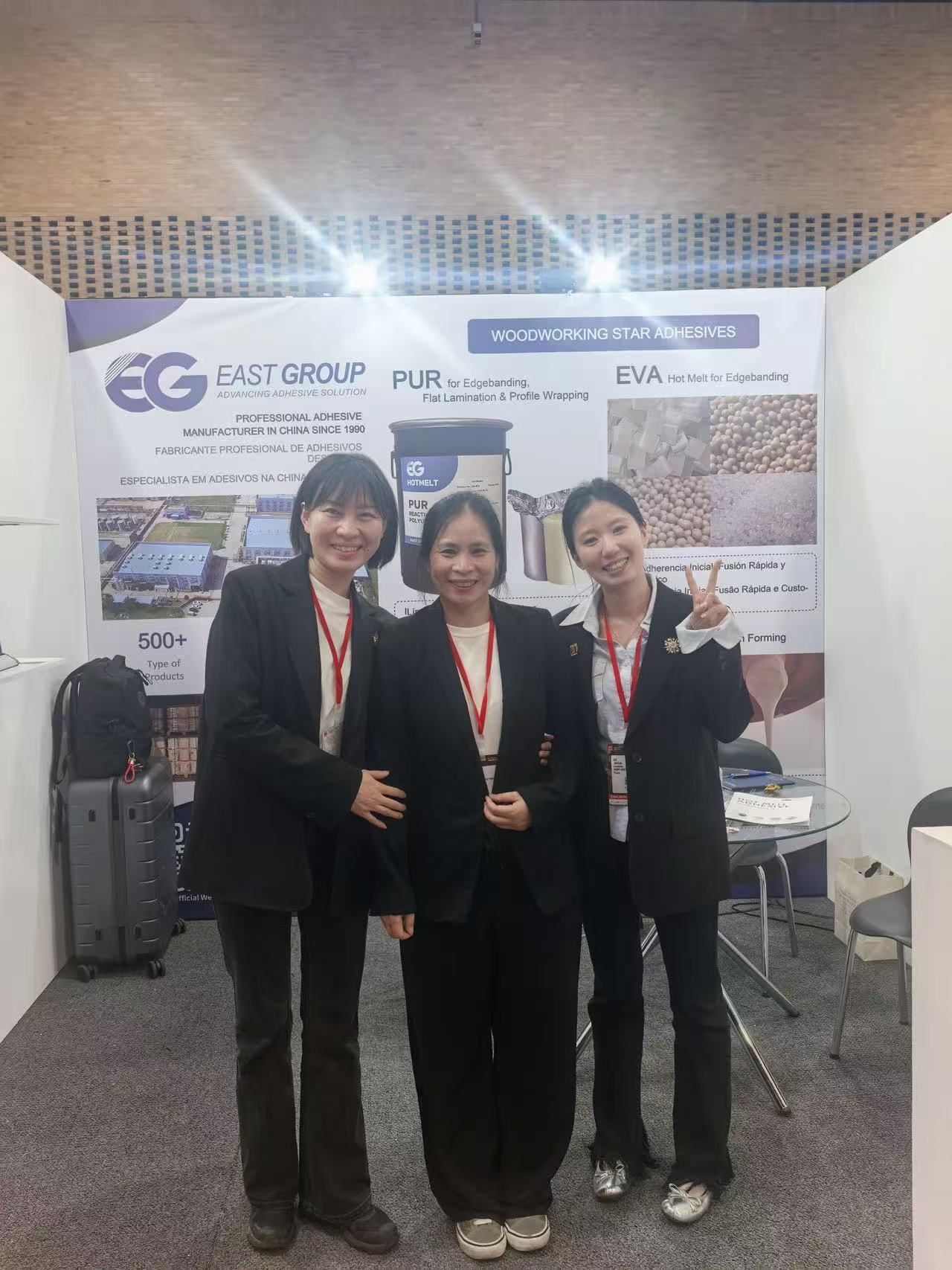
Wuxi East Group Trading Co.,Ltd

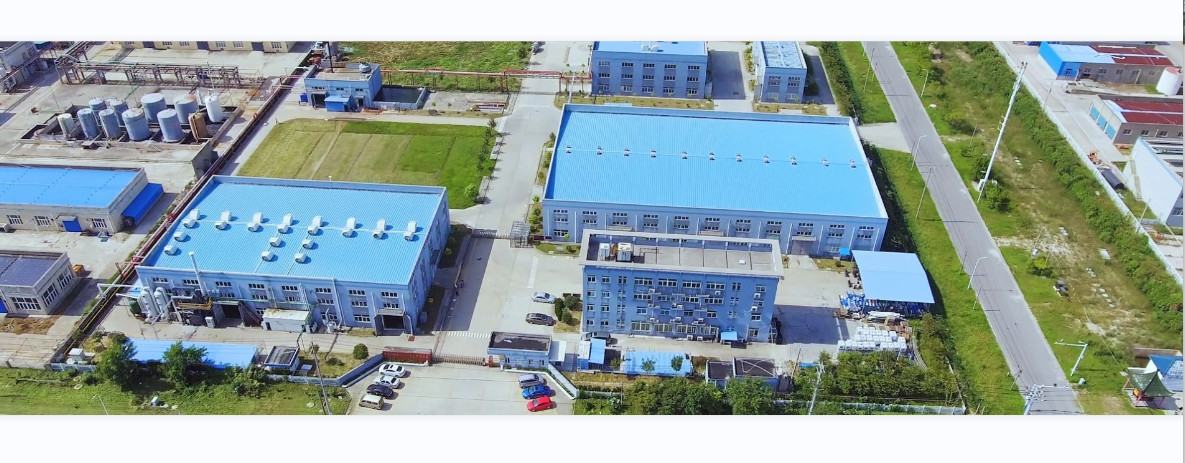
East Group, profesyonel kimya teknisyeni, modernizasyon atölyesi ve gelişmiş üretim yönetimi ile donatılmış yüksek teknolojili bir laboratuvara sahiptir.
Daha fazlasını izle
Teklif Alın
şirket.img.alt
şirket.img.alt
Neden?
Bizi seç.
picurl
Yüksek kalite
Güvenilirlik mührü, kredi kontrolü, RoSH ve tedarikçi yeteneği değerlendirmesi. Şirketin sıkı bir kalite kontrol sistemi ve profesyonel test laboratuvarı var.
picurl
DEVELOPMENT
Dahili profesyonel tasarım ekibi ve gelişmiş makine atölyesi. İhtiyacınız olan ürünleri geliştirmek için işbirliği yapabiliriz.
picurl
ÜRETİM
Gelişmiş otomatik makineler, sıkı proses kontrol sistemi. İhtiyacınızın ötesinde tüm Elektrik terminallerini üretebiliriz.
picurl
%100 HİZMET
Toplu ve özel küçük ambalajlar, FOB, CIF, DDU ve DDP. Tüm endişeleriniz için en iyi çözümü bulmanıza yardım edelim.
Daha fazla ürün
Çözüm
Çözüm
  • Flexibility Becomes a Key Selection Factor for PUR Hot Melt Adhesives in North American Fabric-to-Foam Lamination
    07-31 2026
      As demand for textile composites, functional fabrics, and flexible material processing continues to develop in North America, adhesive selection for fabric-to-foam lamination is moving beyond basic bonding performance. Processors are increasingly evaluating whether the adhesive layer can maintain the flexibility required by the finished composite. For laminated materials, an adhesive layer that does not match the flexibility of the substrates may affect bending, folding, or deformation behavior. As a result, PUR hot melt adhesives are gaining attention in textile lamination because of their reactive curing characteristics and suitability for flexible composite applications. Why Is Flexibility Important in Fabric-to-Foam Lamination? Both fabric and foam have flexible or compressible characteristics. After lamination, the adhesive must provide effective bonding while remaining compatible with the functional behavior of the composite. When selecting a fabric-to-foam laminating adhesive, North American processors commonly evaluate: Flexibility after lamination; Initial bond strength; Final bond strength; Peel strength; Open-time compatibility with the production process. Flexibility should not be considered separately from bonding performance. The selection process should balance the flexibility requirements of the finished material with the bonding requirements of the application. How Does EG-876 Support Flexible Material Lamination? EG-876 is a one-component reactive PUR hot melt adhesive with 100% solids. It is developed for laminating various fabrics with different films or foam materials. According to the product information, EG-876 provides high initial bonding strength, good final strength, and a moderate open time. The finished composite offers good flexibility. After curing, the adhesive also provides good peel strength, moisture resistance, heat resistance, and chemical resistance. These characteristics make EG-876 a potential adhesive option for fabric-to-foam lamination. However, suitability should still be verified through trials based on substrate type, surface condition, and actual processing requirements. How to Select a PUR Hot Melt Adhesive for Fabric-to-Foam Lamination 1. Confirm Fabric and Foam Characteristics Fabric fiber composition, textile construction, and surface treatments may influence adhesive wetting and bonding behavior. Foam density, surface structure, and compression characteristics may also affect lamination results. Therefore, buyers should provide detailed substrate information and conduct trial processing before confirming adhesive selection. 2. Evaluate Operating Temperature and Viscosity EG-876 has a recommended operating temperature of 90–120°C and a viscosity of approximately 5000 mPa·s at 100°C. These values provide technical references for matching heating systems and lamination processes. The product is suitable for different heating plates and heating containers. Actual processing settings should be adjusted according to equipment design, adhesive application amount, and production speed. 3. Consider Curing Conditions and Final Performance The final performance of reactive PUR hot melt adhesives is related to the curing process. EG-876 recommends conditioning finished products at 23–25°C and approximately 65% relative humidity for complete curing. Therefore, processors should consider post-curing conditions when evaluating final bond strength, flexibility, and peel performance rather than relying only on initial bonding results. PUR Adhesive Selection Trends in North American Textile Lamination For North American fabric-to-foam processors, PUR hot melt adhesive selection is increasingly focused on the combined compatibility of substrates, flexibility requirements, and processing parameters. With a 100% solids formulation, a recommended operating range of 90–120°C, and a viscosity of approximately 5000 mPa·s at 100°C, EG-876 provides measurable technical references for preliminary process evaluation. Its combination of initial bonding strength, final strength, and flexibility supports its positioning in flexible textile composite applications. Final adhesive selection should be confirmed through trials using the actual substrates and production conditions to ensure compatibility with the intended lamination process.    
  • Growing Demand for Flexible Multi-Material Lamination Drives Interest in PUR Adhesives for Fabric-to-Foam Processing in South America
    07-31 2026
      As textile processing, laminated fabrics, and flexible material manufacturing continue to develop in South America, demand for fabric-to-foam lamination is receiving increasing attention. For processors, differences in fabric fiber structure, surface treatment, foam density, and surface condition can influence adhesive wetting, initial bonding, and final lamination performance. As a result, buyers are evaluating PUR hot melt adhesives based on more than bond strength alone. Material compatibility, flexibility after lamination, and processing parameters are becoming important selection factors. For manufacturers working with multiple flexible substrates, reactive PUR hot melt adhesives are becoming an important technical option in textile composite processing. Why Does Multi-Material Lamination Require Adhesive Compatibility? Fabric and foam are both flexible materials, but their physical characteristics are different. Fabrics may vary in fiber composition, textile construction, and surface coatings. Foam materials may differ in density, pore structure, and compression behavior. When substrate properties change, adhesive wetting, penetration, and final bonding performance may also change. Therefore, adhesive selection for fabric-to-foam lamination should consider: Fabric fiber type and surface treatment; Foam density and surface structure; Flexibility requirements of the composite; Initial and final bonding performance; Production equipment and processing conditions. How Does EG-876 Support Fabric-to-Foam Lamination? EG-876 is a one-component reactive PUR hot melt adhesive with 100% solids. It is designed for laminating various fabrics with different films or foam materials. According to the product information, EG-876 provides high initial bond strength, good final strength, and a moderate open time. The laminated material maintains good flexibility. After curing, the adhesive also provides good peel strength, moisture resistance, heat resistance, and chemical resistance. For fabric-to-foam processing, initial bonding performance can help maintain substrate positioning during the early lamination stage, while final strength develops through the curing process. Good flexibility supports the bending and deformation requirements of flexible composite materials. However, actual compatibility should still be verified through trials because bonding results may vary depending on specific fabric and foam properties. How to Evaluate PUR Adhesive Compatibility with Flexible Substrates 1. Confirm Substrate Types and Surface Conditions Before selecting an adhesive, buyers should identify the fabric fiber composition, thickness, and any coating or surface treatment. Foam material, density, and surface structure should also be confirmed. This information helps adhesive suppliers make a preliminary assessment and develop a more targeted trial plan. 2. Evaluate Operating Temperature and Melt Viscosity EG-876 has a recommended operating temperature of 90–120°C and a viscosity of approximately 5000 mPa·s at 100°C. These parameters provide references for heating systems, adhesive application equipment, and lamination processes. Actual operating conditions should be adjusted according to equipment design, coating weight, production speed, and substrate heat resistance. 3. Match Open Time with Production Speed EG-876 provides a moderate open time. In continuous lamination, the open time should match adhesive application, substrate positioning, and pressing operations. If the materials are combined outside the effective open-time range, initial bonding performance may be affected. Process trials under actual production conditions are therefore recommended. 4. Evaluate Final Performance After Curing The final performance of reactive PUR hot melt adhesives depends on the curing process. EG-876 recommends conditioning the laminated product at 23–25°C and approximately 65% relative humidity for complete curing. Flexibility, final bond strength, and peel performance should therefore be evaluated after suitable post-curing rather than immediately after lamination. PUR Adhesive Selection Trends in South American Flexible Material Processing As South American textile composite markets place greater emphasis on multi-substrate processing and flexible material applications, PUR adhesive selection is increasingly focused on the relationship between substrate compatibility, processing parameters, and final performance. With a 100% solids formulation, a recommended operating range of 90–120°C, and a viscosity of approximately 5000 mPa·s at 100°C, EG-876 provides measurable technical references for preliminary fabric-to-foam lamination evaluation. Final selection should be confirmed through trials using actual fabrics, foam materials, and production equipment to ensure compatibility with the intended process.
  • Kolay Uygulama ve Hızlı Kürleşme Özellikleri, Sıcak Eriyik Tutkal Çubuklarını Kuzey Amerika El Sanatları Üretiminde Popüler Hale Getiriyor
    07-24 2026
      Kuzey Amerika'da DIY pazarlarının, el sanatları üretiminin ve hafif montaj endüstrilerinin büyümesiyle birlikte kullanıcılar giderek daha fazla basit, verimli ve kullanımı kolay yapıştırma çözümleri arıyor. Özel ekipman veya karmaşık süreçler gerektiren yapıştırma yöntemleriyle karşılaştırıldığında,sıcakta eriyen tutkal çubuklarıesnek tutkal tabancası uygulama yöntemi ve geniş kullanılabilirliği nedeniyle el sanatları, kağıt ürünleri, elektronik oyuncaklar ve genel montaj uygulamaları için ortak bir tercih haline gelmiştir. Ürün seçimi sırasında Kuzey Amerikalı kullanıcılar yalnızca yapışma performansına odaklanmıyor, aynı zamanda şu hususlara da dikkat ediyor:uygulama kolaylığı, kürlenme süresi, tutkal çubuğu boyutu ve ekipman uyumluluğu. Kuzey Amerika'da Sıcakta Eriyen Tutkal Çubukları için Temel Uygulama Gereksinimleri Sıcakta eriyen tutkal çubukları, aşağıdakiler de dahil olmak üzere çeşitli yapısal olmayan yapıştırma uygulamalarında yaygın olarak kullanılmaktadır: DIY el sanatları Zanaat üretimi Kağıt ürünleri Elektronik oyuncak montajı Genel ışık tertibatı Farklı uygulamalar farklı yapıştırıcı özellikleri gerektirir. Örneğin, DIY ve zanaat kullanıcıları genellikle uygulaması kolay, yaygın tutkal tabancalarına uygun ve tekrarlanan işlemler için uygun tutkal çubuklarına ihtiyaç duyar. Hafif üretim kullanıcıları, yapıştırma prosesi verimliliğine ve tutkal çubuğu boyutlarının mevcut ekipmanla eşleşip eşleşmediğine daha fazla odaklanabilir. Bu nedenle, doğru sıcak tutkal çubuğunun seçilmesi, özel uygulama koşullarına göre değerlendirme yapılmasını gerektirir. Kuzey Amerika Uygulamaları için Doğru Sıcak Tutkal Çubuğu Nasıl Seçilir? 1. Tutkal Çubuğu Boyutunu ve Tutkal Tabancası Uyumluluğunu Göz önünde bulundurun Tutkal çubuğu boyutları uygulama deneyimini etkileyen önemli bir faktördür. Yaygın boyutlar arasında, genellikle farklı türdeki sıcak tutkal tabancalarıyla kullanılan 7 mm ve 11 mm'lik tutkal çubukları bulunur. Kendin Yap ve el işi uygulamaları için kullanıcılar genellikle kolay kurulum ve kullanıma odaklanır. Paketleme ve montaj uygulamaları için tedarikçilerin, müşterilerin ekipman gereksinimlerine uygun uygun boyutları sağlaması gerekir. EG-B301 sıcakta eriyen tutkal çubukları, farklı uygulama ihtiyaçlarını desteklemek için 7 mm ve 11 mm boyutlarında mevcuttur. 2. Kürleşme Süresini Uygulama Gereksinimleriyle Eşleştirin Sıcakta eriyen tutkal çubuklarını seçerken kürlenme süresi önemli bir parametredir. EG-B301 ürün bilgilerine göre kürlenme süresi 8–10 saniye olup, hızlı yapıştırma işlemleri gerektiren uygulamalar için uygundur. Kendin Yap üretiminde, el işi üretiminde ve elektronik oyuncak montajında ​​uygun kürleme süresi, kullanıcıların yapıştırma prosedürlerini daha verimli yönetmesine yardımcı olur. 3. Daha İyi Uygulama Kontrolü için Viskoziteyi Değerlendirin Sıcakta eriyen yapıştırıcıların eriyik akış davranışı dağıtım performansını ve uygulama deneyimini etkileyebilir. EG-B301'in viskozitesi 170°C'de 4500 ± 1500 mPa·s'dir ve tutkal tabancası uygulama uyumluluğunun değerlendirilmesi için teknik bir referans sağlar. Tutarlı çalışma koşulları arayan kullanıcılar için viskozite bilgileri, ürünün belirli ekipman ve işleme gereksinimlerine uyup uymadığının belirlenmesine yardımcı olur. Kuzey Amerika Kendin Yap ve Hafif İmalatta Sıcakta Eriyen Tutkal Çubuklarının Gelecekteki Gelişimi Kuzey Amerika pazarları esnek üretim, küçük seri üretim ve yaratıcı zanaat uygulamaları geliştirmeye devam ederken, sıcakta eriyen tutkal çubukları yapısal olmayan yapıştırma için önemli bir çözüm olmaya devam edecek. Yüksek moleküler polimer formülasyonuna dayanan EG-B301, beyaz şeffaf bir görünüme, iyi akışkanlığa ve hızlı kürlenme özelliklerine sahiptir. Kağıt ürünleri, elektronik oyuncaklar, el sanatları ve çeşitli metal ve metal olmayan malzemeleri içeren yapıştırma uygulamaları için uygundur. Uluslararası alıcılar için uygun bir sıcak tutkal çubuğu tedarikçisinin seçilmesi, yalnızca fiyattan ziyade ürün özelliklerinin, teknik parametrelerin, uygulama uyumluluğunun ve tedarik kapasitesinin dikkate alınmasını gerektirir.
Son BLOGlar
En Yeni Blogları Keşfedin
Bize Ulaşın
SORGU
Herhangi bir sorunuz varsa, lütfen hemen bizimle iletişime geçin ve mümkün olduğunca çabuk yanıt vereceğiz.

Bizi sosyal medyada da takip edebilirsiniz
karenyang26